
Silo Container
Silo containers are specialized bulk storage units designed to hold large quantities of granular, powdery, or loose materials, serving as critical links in agricultural, construction, and industrial supply chains. Unlike standard storage containers, their vertical, cylindrical structure maximizes space efficiency while facilitating controlled handling of materials that require protection from environmental factors or consistent flow for processing. Constructed from robust materials tailored to their intended use, silo containers often feature galvanized steel for corrosion resistance—essential for outdoor placement where exposure to rain, snow, or humidity is common. Some models use aluminum for lighter weight, making them portable for on-site projects, while stationary industrial silos may incorporate reinforced concrete for long-term stability with heavy loads. A typical silo includes a sealed top hatch for filling (via conveyor belts, pneumatic systems, or augers) and a discharge mechanism at the base—usually a conical hopper that leverages gravity to release materials, or mechanical augers for materials with poor flow properties like wet grain or cement. Silo containers are categorized by their application: agricultural silos store grains (wheat, corn, rice), feed, or animal feed, with integrated temperature and moisture sensors to prevent spoilage from mold or pests. Construction silos hold cement, sand, or gravel, often equipped with dust suppression systems to minimize air pollution at job sites. Food processing silos handle flour, sugar, or powdered ingredients, maintaining strict hygiene standards with stainless steel interiors to avoid contamination. Mining silos store ore, coal, or mineral powders, designed to withstand heavy impacts and abrasive materials. The benefits of silo containers extend beyond storage: their sealed design preserves material quality by blocking moisture, pests, and contaminants, reducing waste and ensuring consistency in production. Vertical orientation saves ground space, a key advantage in dense industrial areas or farmlands where land is limited. For portable models, intermodal compatibility allows easy transport via trucks, trains, or ships, enabling seamless movement between production sites and distribution centers. Operationally, silos rely on efficient filling and discharge systems. Pneumatic filling is common for powdery materials like cement, as it minimizes dust and ensures even distribution. Discharge often uses gravity for free-flowing materials, but vibrators or screw conveyors may be added for materials that clump. Modern silos integrate digital monitoring tools—level sensors to track inventory, temperature gauges to detect grain heating, and pressure valves to maintain safe internal conditions. In conclusion, silo containers are indispensable for industries that depend on bulk material management. Their adaptability to different materials, environments, and operational needs makes them a cornerstone of efficient supply chains, ensuring that materials are stored safely, handled efficiently, and delivered in optimal condition to their next stage of use.
Products
Category:
Silo Container
-
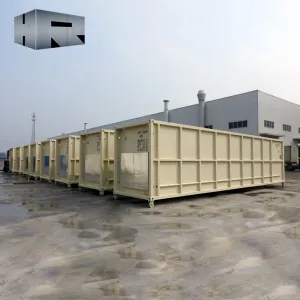
Silo Container Silo Transport Hero
Category: Silo ContainerBrowse number: 10496Number:Release time: 2022-07-19 00:16:04silo container
News
Category:
-
[Industry News]What is the manufacturing process of the hook arm Self Tippi...
2023-03-16 16:22:40 -
[Industry News]How to choose the perfect bin for your home or office?
2023-05-18 18:09:17 -
[Industry News]How can rust and corrosion be prevented on a customized ship...
2025-09-09 02:43:04 -
[Industry News]What safety features must a dangerous goods container have?
2026-01-20 02:36:02
Case
Category:
No search results found!
Video
Category:

Download
Category:
No search results found!
Job
Category:
No search results found!
Featured Products
No search results found!



 Phone
Phone